About the Project
NAVE Ramacrisna (Center for Essential Learning and Experiences) is a social project for children and adolescents that has been run by the Ramacrisna Institute since 1992.
Aimed at socially vulnerable populations, the project offers after-school educational programs, promoting holistic development through educational, cultural, sports, and technology-based activities.
Formerly known as the Ramacrisna Educational Support Center (CAER), the project continues with the same mission and methodology, expanding its reach and strengthening its social impact.
NAVE serves public school students free of charge, contributing to academic performance, social inclusion, and the creation of new opportunities.
What We Offer
NAVE Ramacrisna offers after-school activities focused on the educational, social, and emotional development of children and adolescents:
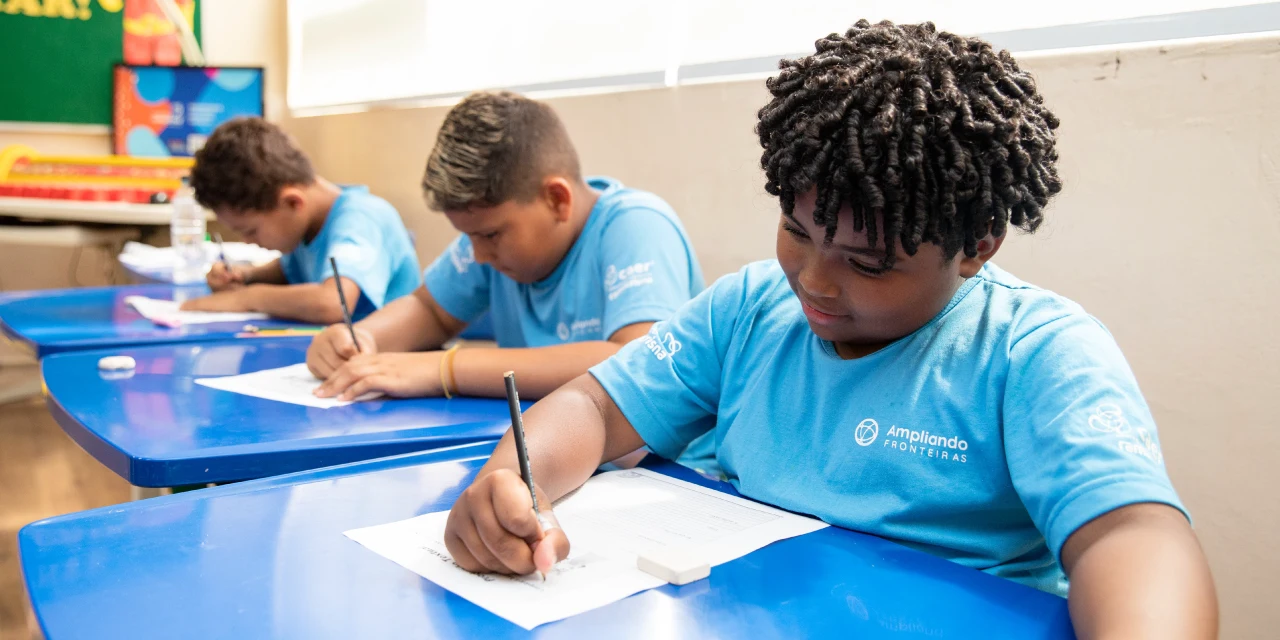
Academic tutoring and literacy
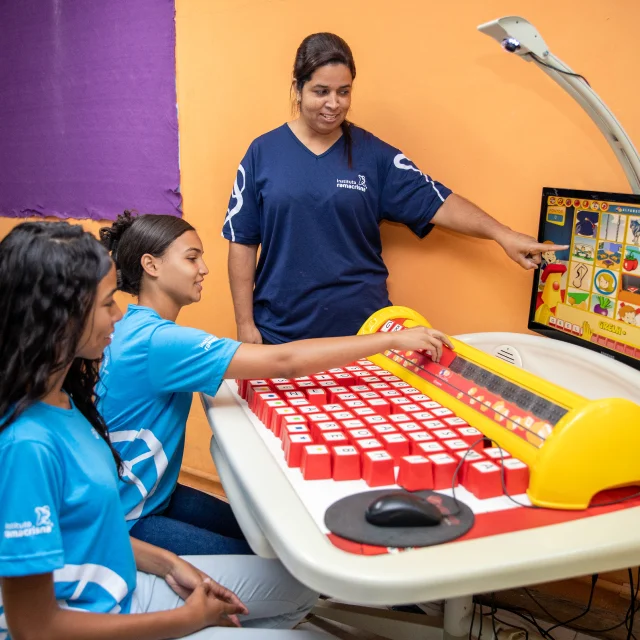
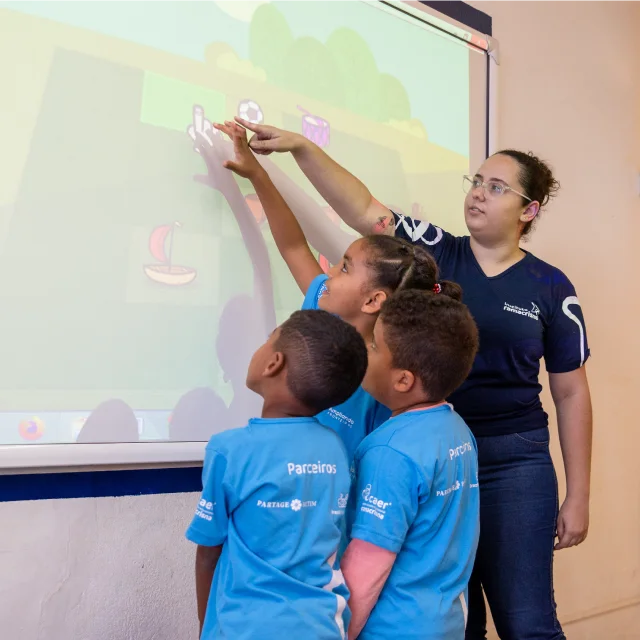
Activities using digital resources and interactive methodologies that strengthen reading, writing, and logical reasoning.
Digital inclusion
Educational computer classes in a fully equipped lab, promoting access to technology and the development of essential digital skills.
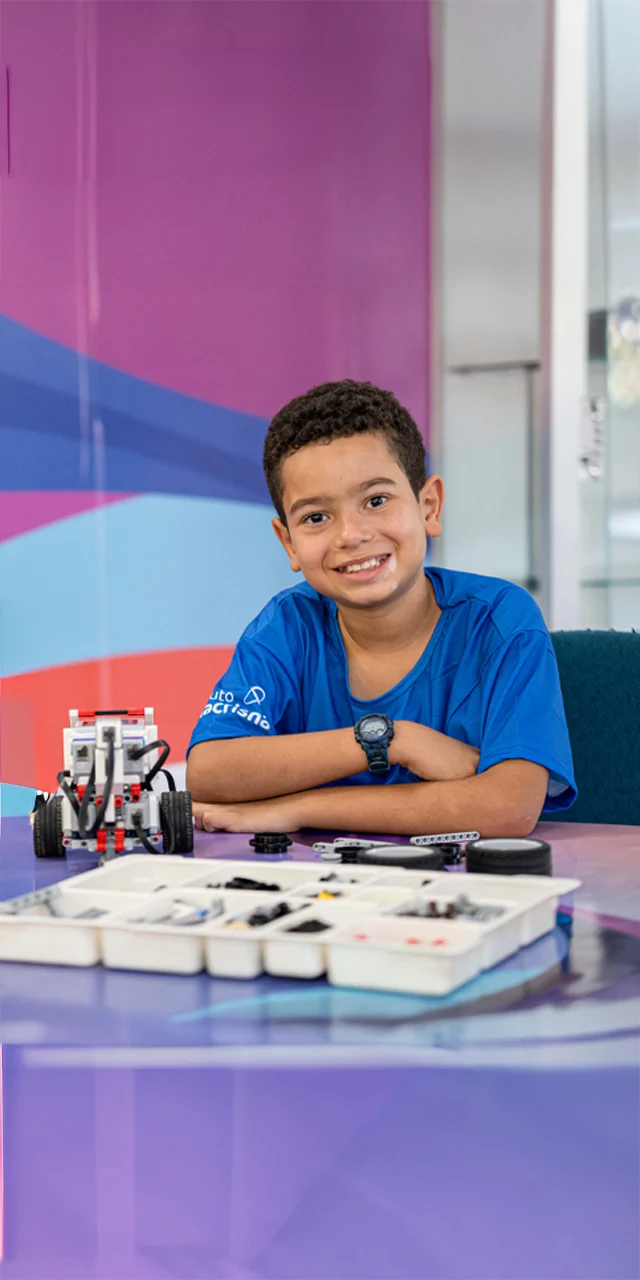
Robotics and programming
Workshops at FabLab Ramacrisna that stimulate creativity, innovation, and logical thinking through technology projects.
Sports activities
Activities such as futsal, soccer, volleyball, peteca, and judo, as well as chess, contributing to discipline, health, and teamwork.
Cultural workshops
Music classes that develop artistic expression and cultural sensitivity.
Reading and educational support
Access to the Ramacrisna Library, with guided reading activities, storytelling, and reader development.
Target Audience
NAVE Ramacrisna serves children and adolescents aged 6 to 15 who attend public schools, primarily from the Vianópolis neighborhood in Betim (MG).
The program is free and designed for families in socially vulnerable situations.
Facilities and comprehensive care
The project has a complete infrastructure for educational activities:
– Fully equipped classrooms
– Indoor court and grass field
– Computer lab
– Library
In addition to educational activities, participants receive daily meals (lunch and a snack) with nutritional guidance, ensuring their well-being and food security.
Social impact
With a human-centered approach and a multidisciplinary team, NAVE Ramacrisna is a leading social project in Minas Gerais focused on the development of children and adolescents.
The project directly contributes to:
– School retention
– Improved academic performance
– Digital and social inclusion
– Prevention of child labor
– Strengthening of families and communities
More than just a space for activities, NAVE is an environment of opportunities, learning, and social transformation.