Caring for nature involves everyday habits and environmental education
When we think of a tree, we often think of shade, fruit, flowers, or the greenery that transforms a landscape. But trees do much more: they help regulate the climate, protect the soil and water, contribute to air quality, and provide shelter for various species. Caring for trees, therefore, also means caring for the life that surrounds us.
That’s why Arbor Day, celebrated on September 21, goes far beyond planting a sapling. The date is an opportunity to look at nature, understand its importance, and think about how our everyday choices can help preserve it. And this learning can start early.
Small actions like properly sorting waste, avoiding water waste, caring for plants, and respecting animals are habits that can become part of daily life from childhood onward. But how can we protect the environment in a way that turns this care into awareness and responsibility? Environmental education is one way to help children and teens understand the impacts of their choices. Furthermore, it’s a way to show that each person can contribute to a healthier planet.
How to protect the environment through small actions
Caring for the environment is reflected in seemingly simple choices. Saving water, reducing food waste, avoiding unnecessary paper use, reusing materials, and not littering on the streets, for example, are actions that help minimize the impact on natural resources.
It is also important to understand that preserving nature means protecting the spaces where different forms of life exist. Trees, rivers, animals, and green spaces are all part of the same ecological balance. When a forest is destroyed, a river is polluted, or an area suffers from wildfires, the effects extend beyond the affected location.
For this reason, teaching children and teenagers about the environment should not be limited to simply conveying information. Environmental education can encourage observation, participation, and the development of habits that make sense for each individual’s reality.
When nature becomes a classroom
At the Ramacrisna Institute, interaction with the environment is part of the learning experience. The institution has approximately four hectares of preserved Cerrado forest and a nature trail—spaces that allow students to get a closer look at the vegetation, observe their surroundings, and appreciate the diversity of life around them.
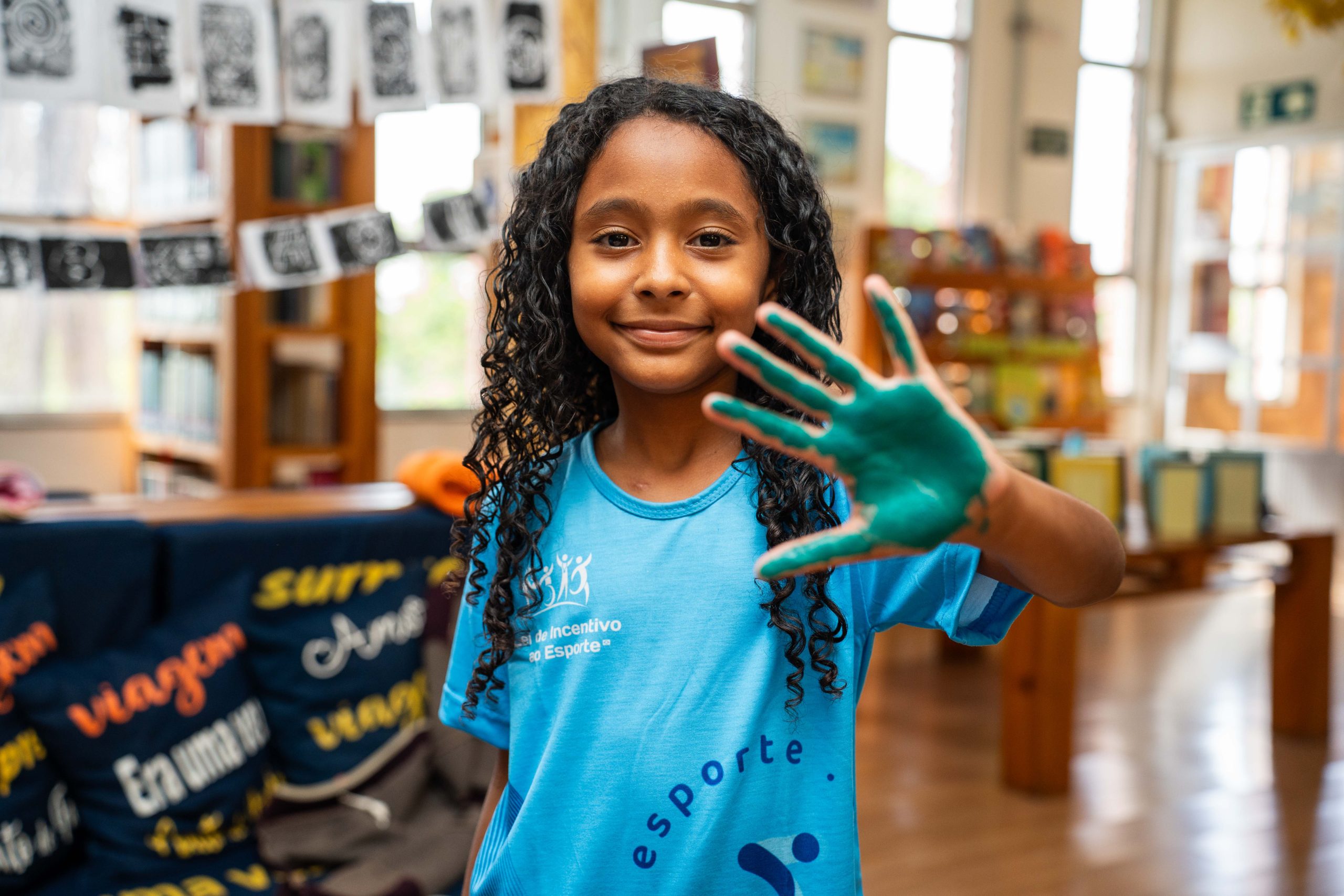
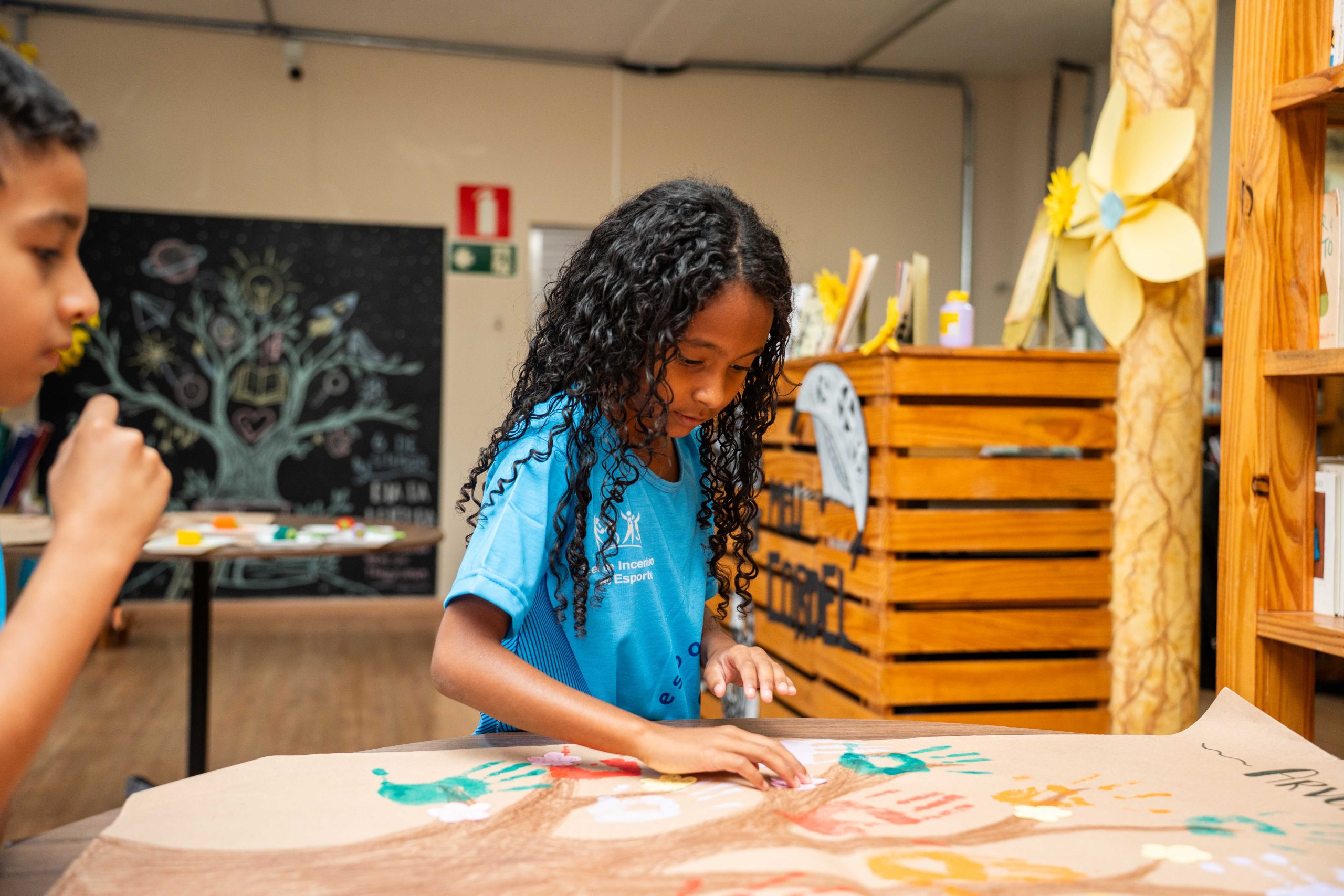
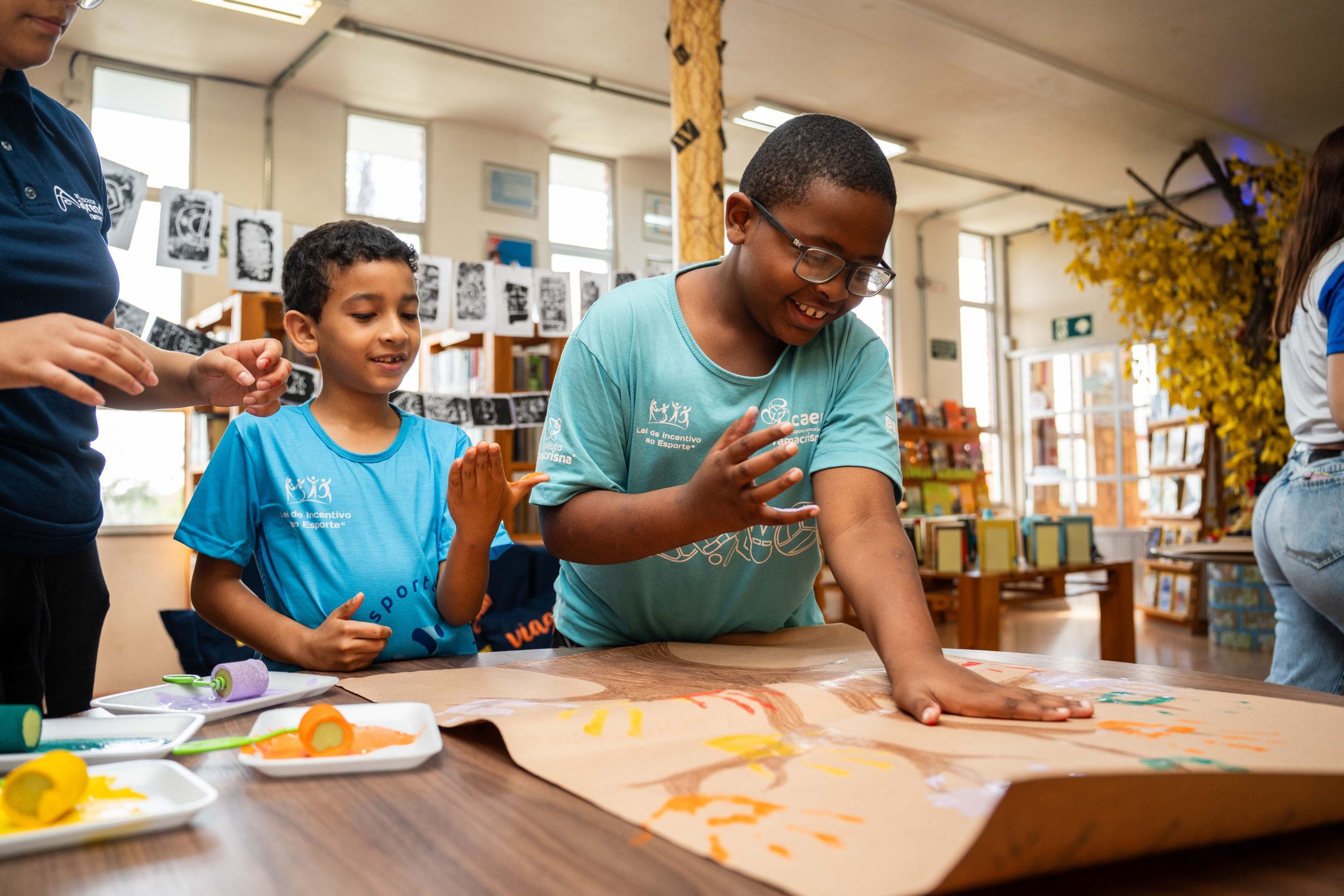
This learning also involves group activities in the classroom. To celebrate Arbor Day on September 21, students participated in a special activity called “Tree of Happiness” at the Professor Arlindo Corrêa da Silva Library, which connected nature, happiness, community, and the desire for a better future.
Using gouache paint, children and teenagers from NAVE Ramacrisna created the tree’s branches. They stamped their hands on the trunk and wrote, near their fingers, words that represent happiness—such as love, family, friends, music, nature, peace, dreams, and school, for example.
Meanwhile, their fingertips represented the leaves, forming a collective tree. The project goes beyond artistic creation: the hands represent what makes each participant happy, while the leaves will be filled with wishes for the planet’s future.
Each class also answered the question, “What do I wish for our natural world?” Among the responses, students mentioned more trees, clean rivers, greater respect for nature, a world without wildfires, and more protected animals.
A tree made of hands and dreams
The activity ended with each student choosing one commitment to incorporate into their daily routine. They suggested actions such as not littering, conserving water, caring for plants, avoiding paper waste, and respecting animals, for example. The activity demonstrated that preserving the environment also involves recognizing that small actions, when incorporated into daily life, help build a more responsible relationship with nature.
In the end, the tree was filled with the students’ hands, words representing happiness, and phrases expressing their wishes for the planet. The result transformed the library into a space where environmental education, creativity, and community came together.
The message left on the trunk summed up the meaning of the experience: “The happiness we cultivate today is the shade we will offer tomorrow.” More than just celebrating Arbor Day, the activity reinforced among the students that caring for nature also means thinking about people, animals, and future generations.
At the Ramacrisna Institute, moments like this are part of an educational approach that seeks to go beyond the classroom, encouraging children and teenagers to participate, reflect, and turn small choices into acts of care. Learn about Ramacrisna’s projects and become part of this chain of goodwill.