The show “O Brasil das Cantigas, in Verse, Prose, and Song” will be presented on August 11 at the Unimed-BH Minas Theater
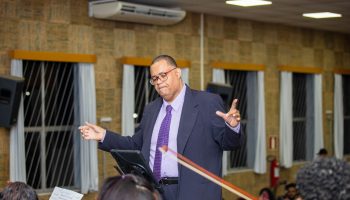
On August 11, the Ramacrisna Philharmonic Orchestra will open the 2026 season of the Minas Tênis Clube – Som da Juventude concert series. Under the baton of conductor Eliseu Barros, the orchestra will present the show “O Brasil das Cantigas, in Verse, Prose, and Song” at the Unimed-BH Minas Theater in Belo Horizonte.
The concert brings together European classical music and the emotional richness of Brazilian folklore. The repertoire combines opera, Brazilian popular music, and traditional folk songs, taking the audience on a musical journey marked by the revival of memories, playfulness, and a celebration of national culture.
The performance will also feature three dancers on stage, who will enhance the artistic experience through the integration of music and movement. With a lighthearted and accessible approach, the show aims to bring different audiences closer to instrumental music and present new possibilities for songs that span generations.
According to conductor Eliseu Barros, the goal is to reveal how seemingly distinct musical worlds can interact on stage. “The concert shows that classical music and popular songs are not as far apart as many people imagine. When given new arrangements and the sound of an orchestra, these songs take on new dimensions without losing the emotion and memories they carry,” he says.
For the conductor, the Ramacrisna Philharmonic Orchestra’s participation in the series also represents an opportunity to broaden the artistic training of young musicians and strengthen their connection with diverse audiences. “This is a very important experience for the orchestra members. Beyond technical development, they experience the responsibility of representing Brazilian culture and realize that they, too, can occupy prominent roles in the music scene,” he emphasizes.
Eliseu Barros also highlights the show’s role in democratizing concert music. “We want the audience to see themselves reflected in the repertoire and understand that great art is also present in the cirandas, the folk songs, and the memories of our childhood. It’s a way to value our roots and, at the same time, bring new audiences closer to the world of orchestral music,” he adds.